

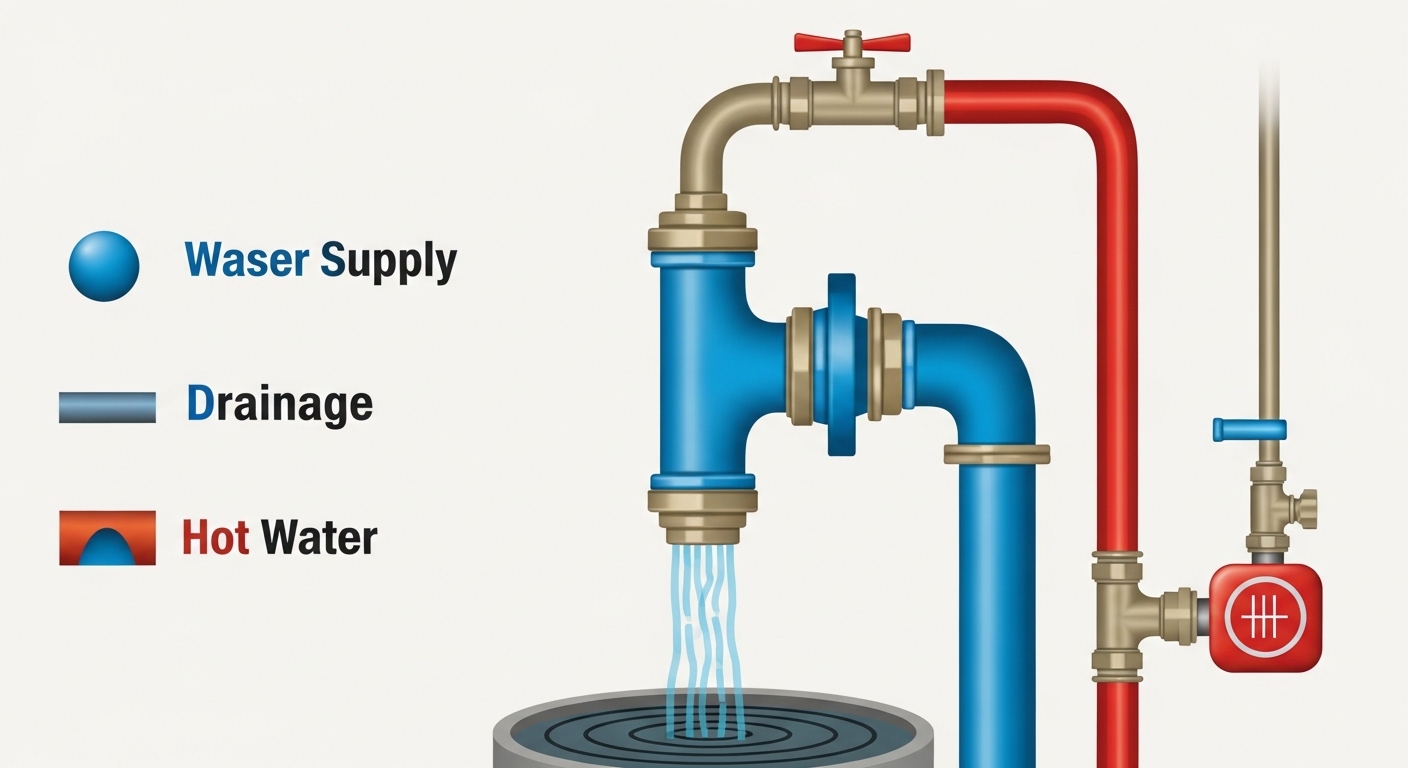
A well-planned plumbing installation is essential for any residential or commercial property, ensuring reliable water flow, proper drainage, and long-term functionality. Whether building a new home or upgrading an existing system, understanding the basics of installation can save time, money, and future complications. Plumbing is more than just connecting pipes; it requires precision, quality materials, and careful design. A properly installed system supports daily activities while preventing leaks, water damage, and inefficiencies. This guide explores key aspects of plumbing installation, helping you make informed decisions and maintain a system that performs efficiently for years.
Understanding the Basics of Plumbing Installation
Plumbing installation involves setting up pipes, fixtures, valves, and drainage systems to ensure smooth water supply and waste removal. It starts with designing a layout that considers water pressure, building structure, and usage needs. A successful installation requires knowledge of local building codes and regulations to ensure safety and compliance. Materials such as copper, PVC, and PEX are commonly used, each offering unique benefits. Proper alignment and sealing are critical to prevent leaks and maintain efficiency. Understanding these fundamentals helps homeowners and professionals avoid costly mistakes and ensures a durable plumbing system that operates reliably.
Importance of Proper Planning Before Installation
Careful planning is the foundation of any successful plumbing installation project. Before any work begins, it is essential to map out pipe routes, fixture placements, and water supply lines. This step ensures efficient use of space and minimizes potential issues during installation. Planning also helps identify the required materials, tools, and budget. It allows for better coordination with other construction activities, such as electrical or structural work. By addressing potential challenges early, you can avoid delays and unexpected costs. A detailed plan ensures that the plumbing system meets both functional needs and long-term performance expectations.
Choosing the Right Materials for Plumbing Systems
Selecting appropriate materials is a crucial step in plumbing installation, as it directly impacts durability and performance. Different materials offer varying levels of strength, flexibility, and resistance to corrosion. Copper pipes are known for their longevity and reliability, while PVC is lightweight and cost-effective. PEX has gained popularity due to its flexibility and ease of installation. The choice depends on factors such as water quality, temperature, and budget. Using high-quality materials reduces maintenance needs and extends the lifespan of the system. Making informed decisions ensures that the plumbing installation remains efficient and dependable over time.
Steps Involved in Professional Plumbing Installation
A professional plumbing installation follows a systematic process to ensure accuracy and efficiency. It begins with site inspection and layout design, followed by cutting and fitting pipes according to the plan. Fixtures such as sinks, toilets, and showers are then installed and connected to the system. Proper sealing and testing are essential to detect leaks and ensure smooth operation. Pressure testing confirms that the system can handle daily usage without issues. Each step requires precision and expertise to avoid errors. A well-executed installation ensures a reliable system that functions effectively and meets modern standards.
Common Challenges During Plumbing Installation
Plumbing installation can present several challenges, especially in complex building structures. Limited space, outdated infrastructure, and unexpected obstacles can complicate the process. Incorrect pipe alignment or poor sealing can lead to leaks and reduced efficiency. Inadequate planning may result in insufficient water pressure or drainage issues. Weather conditions and delays in material supply can also impact timelines. Addressing these challenges requires experience, problem-solving skills, and attention to detail. By anticipating potential difficulties, professionals can implement effective solutions and ensure that the installation process proceeds smoothly without compromising quality.
Role of Modern Technology in Plumbing Installation
Advancements in technology have significantly improved the efficiency and accuracy of plumbing installation. Modern tools and equipment allow for precise measurements and faster installation processes. Innovations such as digital pipe inspection cameras help identify issues within the system without invasive procedures. Smart plumbing systems enable better water management and leak detection, enhancing overall performance. These technologies reduce labor time and improve reliability. By integrating modern solutions, professionals can deliver high-quality installations that meet current demands. Embring technology ensures that plumbing systems are not only functional but also optimized for efficiency and sustainability.
Maintenance Tips After Plumbing Installation
Proper maintenance is essential to preserve the effectiveness of a plumbing installation. Regular inspections help identify minor issues before they become major problems. Checking for leaks, monitoring water pressure, and cleaning drains can prevent system failures. It is also important to ensure that fixtures and valves are functioning correctly. Routine maintenance extends the lifespan of the system and reduces repair costs. Educating users about proper usage, such as avoiding disposal of harmful materials in drains, also plays a key role. Consistent care ensures that the plumbing system continues to operate efficiently over time.
Hiring Professionals vs DIY Plumbing Installation
Deciding between professional services and a do-it-yourself approach is an important consideration in plumbing installation. While DIY projects may seem cost-effective, they often lack the precision and expertise required for complex systems. Professional plumbers have the necessary skills, tools, and knowledge to ensure accurate installation and compliance with regulations. They can also identify potential issues that may not be obvious to untrained individuals. Although hiring professionals involves higher upfront costs, it reduces the risk of future repairs and ensures long-term reliability. Choosing the right approach depends on the project’s complexity and desired quality.
Environmental Considerations in Plumbing Installation
Sustainable practices are becoming increasingly important in plumbing installation. Using water-efficient fixtures and eco-friendly materials can significantly reduce environmental impact. Proper system design minimizes water wastage and promotes efficient usage. Rainwater harvesting and greywater recycling systems are also gaining popularity in modern installations. These solutions not only conserve resources but also lower utility costs. Considering environmental factors during installation supports long-term sustainability and aligns with global conservation efforts. A well-designed plumbing system can contribute to a healthier environment while maintaining high performance and reliability for everyday use.
Conclusion
A well-executed plumbing installation is essential for ensuring a functional, efficient, and long-lasting water system in any property. From careful planning and material selection to professional execution and regular maintenance, each step plays a critical role in overall performance. Understanding the process helps avoid common issues and ensures that the system meets both current and future needs. Whether handled by professionals or approached as a managed project, attention to detail is key. Investing in quality installation not only enhances convenience but also protects the property from potential damage, making it a valuable long-term decision.