

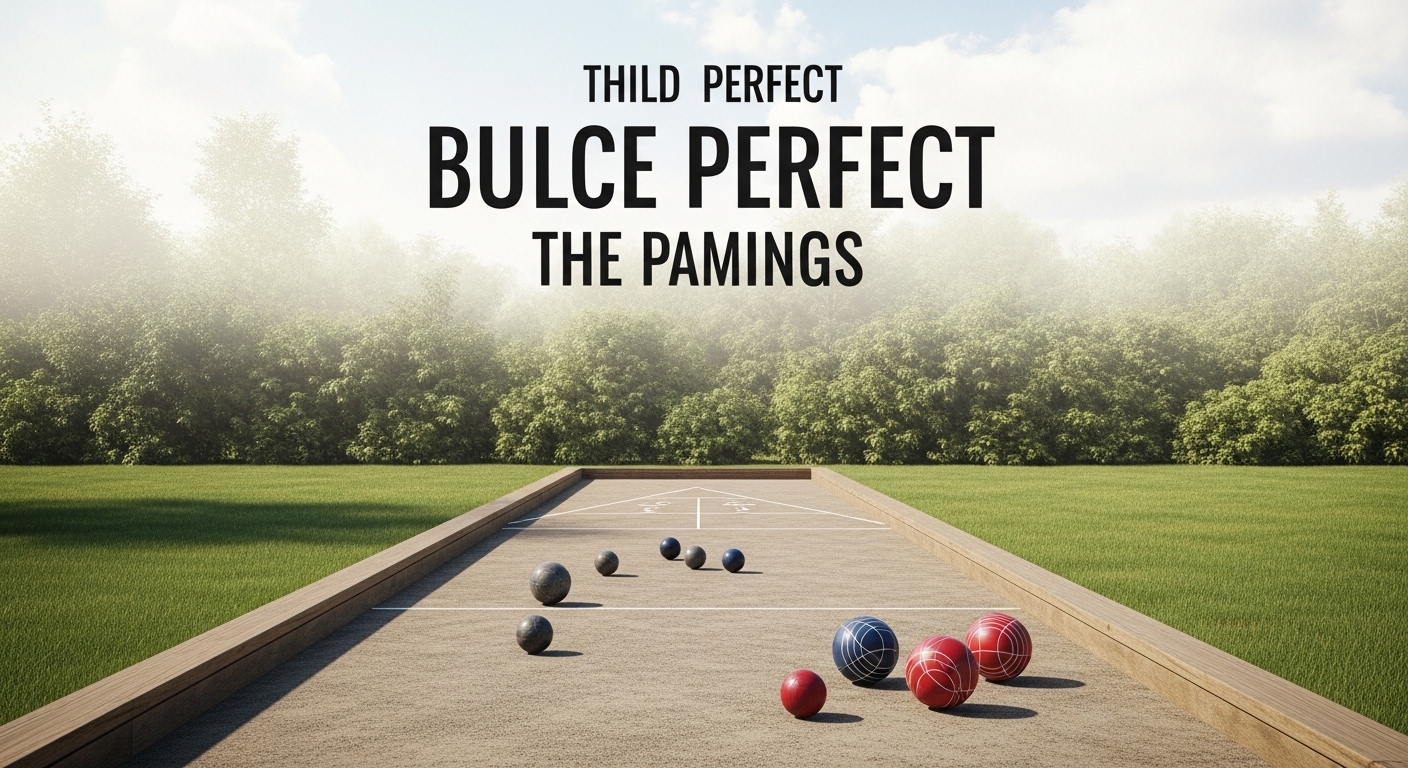
A bocce ball court brings people together through a timeless game that blends skill, strategy, and social connection. Whether installed in a backyard, community park, or recreational club, a well-designed playing surface enhances both enjoyment and performance. Interest in outdoor leisure spaces has grown significantly, and many homeowners are now exploring the benefits of adding a dedicated court to their property. Understanding the key elements of design, construction, and maintenance helps ensure lasting value.Everything you need to know about planning, building, and maintaining a high-quality bocce ball court.
Understanding the Purpose of a Bocce Ball Court
A bocce ball court is specifically designed to provide a smooth, level playing surface that allows accurate ball control and fair competition. Unlike casual lawn play, a structured court ensures consistent roll and bounce, which directly impacts the strategy of the game. Standard courts are long and narrow, encouraging precision throws and tactical positioning. Whether for friendly gatherings or competitive matches, the court layout defines how the game unfolds. By investing in a properly built space, players experience improved performance and greater satisfaction. The purpose of the court is not only functionality but also creating a welcoming recreational environment.
Standard Dimensions and Layout Considerations
The dimensions of a bocce ball court play a crucial role in game quality and player comfort. Regulation courts typically measure around 91 feet in length and 13 feet in width, though residential courts can be smaller to fit available space. Maintaining proportional width and length ensures balanced gameplay even in compact designs. Clear boundaries are essential to keep the balls within play and maintain fairness. When planning the layout, consider surrounding space for spectators and safe movement. Adequate drainage and a level base also contribute to long-term durability and consistent performance throughout different weather conditions.
Choosing the Right Surface Material
Selecting the appropriate surface material significantly affects how the bocce ball court performs over time. Traditional surfaces often use crushed stone, oyster shell blends, or decomposed granite because they provide controlled ball speed and minimal bounce. Synthetic options are also available, offering lower maintenance and consistent texture. The base layer beneath the surface must be compacted and stable to prevent uneven settling. A well-chosen surface reduces water pooling and limits dust formation. By evaluating climate conditions and maintenance preferences, homeowners can select materials that balance playability, durability, and aesthetic appeal.
Proper Drainage and Foundation Preparation
A strong foundation is essential for the longevity of a bocce ball court. Before installing the playing surface, the ground must be excavated and graded to create a stable sub-base. Proper drainage systems prevent water accumulation that could damage the surface or cause uneven areas. Installing a compacted gravel base supports weight distribution and enhances stability. Without adequate preparation, even high-quality surface materials may deteriorate quickly. Careful attention to foundation work reduces future repairs and ensures consistent gameplay. Investing time in proper groundwork guarantees that the court remains level and functional for many years.
Installing Sidewalls and Boundaries
Sidewalls define the structure of a bocce ball court and influence how the game is played. These boundaries, typically constructed from wood, concrete, or synthetic boards, keep balls within the designated area and allow strategic bank shots. The walls must be straight, sturdy, and securely anchored to withstand repeated impacts. Proper alignment ensures fairness and maintains the court’s visual appeal. Some designs incorporate cushioned surfaces to minimize wear and noise. Beyond gameplay benefits, well-built boundaries contribute to safety and give the court a professional appearance that enhances the overall outdoor setting.
Enhancing Aesthetics and Landscaping
A bocce ball court can become a focal point of outdoor design when integrated thoughtfully into the surrounding landscape. Adding seating areas, pathway lighting, and decorative borders creates an inviting atmosphere for guests. Natural elements such as shrubs or low fencing can frame the space while maintaining visibility. Choosing complementary materials and colors helps the court blend seamlessly with patios or gardens. Landscaping not only improves visual appeal but also increases property value. By treating the court as both a recreational feature and a design element, homeowners can achieve a balanced and attractive outdoor environment.
Maintenance Tips for Long-Term Performance
Regular maintenance preserves the quality and playability of a bocce ball court. Raking the surface frequently helps maintain smoothness and removes debris that could affect ball movement. Periodic watering may be necessary in dry climates to control dust and keep materials compact. Inspecting sidewalls and leveling the surface prevents small issues from becoming major repairs. Seasonal adjustments ensure the court remains stable despite temperature changes or rainfall. Consistent upkeep extends the lifespan of materials and ensures enjoyable gameplay. A well-maintained court continues to deliver reliable performance and retains its professional appearance over time.
Cost Factors and Budget Planning
The cost of building a bocce ball court varies depending on size, materials, and additional features. Basic backyard installations are more affordable, while regulation-sized courts with premium finishes require greater investment. Expenses typically include excavation, base preparation, surface materials, and boundary construction. Optional additions such as lighting, seating, or landscaping increase overall costs but enhance usability and value. Planning a realistic budget helps prevent unexpected expenses during construction. Evaluating long-term maintenance requirements also contributes to financial planning. By balancing quality and affordability, homeowners can create a durable and enjoyable recreational space within budget.
Benefits of Adding a Bocce Ball Court to Your Property
Installing a bocce ball court offers social, physical, and financial advantages. The game encourages light exercise, coordination, and strategic thinking while remaining accessible to players of all ages. Hosting gatherings around the court fosters community and strengthens relationships. From a property perspective, a well-designed recreational feature enhances appeal and can differentiate a home in the real estate market. Unlike many outdoor installations, bocce courts require relatively simple maintenance once properly built. This combination of recreation and practicality makes the investment worthwhile for families and community organizations seeking lasting entertainment options.
Conclusion
A thoughtfully planned bocce ball court combines functionality, durability, and aesthetic appeal to create a rewarding outdoor feature. From selecting suitable dimensions and materials to ensuring proper drainage and regular maintenance, each step contributes to long-term success. By understanding construction essentials and budgeting wisely, homeowners can build a court that delivers consistent performance and social enjoyment. Whether used for casual play or competitive matches, a well-crafted bocce ball court enhances outdoor living spaces and brings people together through a classic and engaging game.