

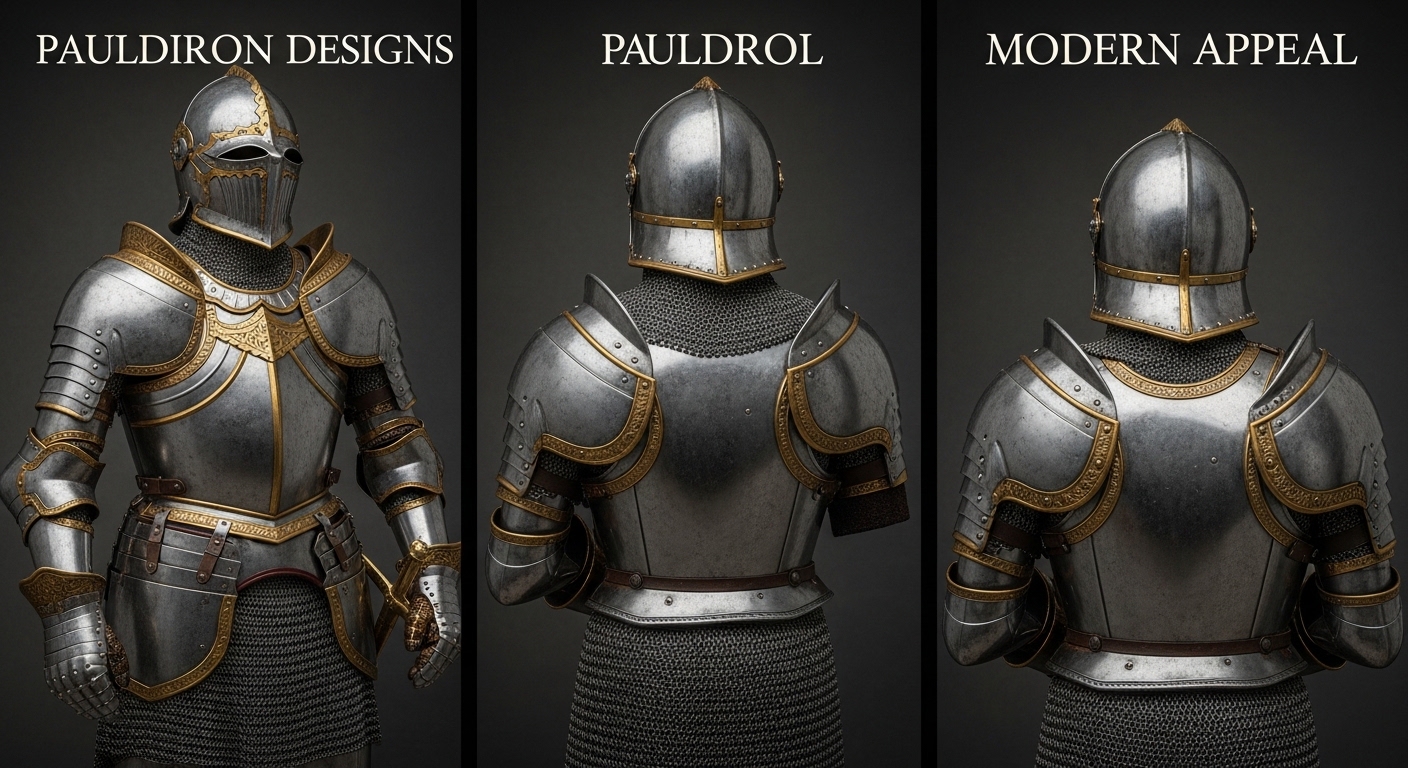
Pauldrons have long captured the imagination of historians, artists, and enthusiasts of medieval culture. These distinctive pieces of shoulder armor were designed to protect warriors in battle while also reflecting their status and craftsmanship. Today, pauldrons are admired not only for their historical importance but also for their influence on fashion, film, and gaming. From ancient battlefields to modern cosplay conventions, they continue to symbolize strength and resilience. Understanding their origins, evolution, and contemporary relevance provides valuable insight into how functional armor became an enduring cultural icon across different eras and creative industries.
The Origins of Pauldrons in Early Armor
The development of pauldrons can be traced back to the gradual evolution of protective armor in medieval Europe. As combat techniques advanced and weapons became more powerful, warriors required better shoulder protection. Early forms of shoulder guards were simple metal plates attached to chainmail, offering limited mobility but necessary defense. Over time, armorers refined these designs to provide greater flexibility and coverage. The introduction of articulated plates allowed knights to move their arms freely while maintaining protection. These innovations marked a turning point in armor craftsmanship, laying the foundation for the more sophisticated pauldrons that would later dominate the battlefield.
The Functional Role of Pauldrons in Battle
In medieval warfare, the shoulder was a vulnerable target due to the range of sword strikes and lance attacks aimed at disabling opponents. Pauldrons played a crucial role in shielding this exposed area. Designed to absorb and deflect blows, they were often curved and layered to distribute force effectively. Their structure balanced protection with mobility, ensuring that knights could wield weapons without restriction. Some pauldrons extended over the upper arm and chest for additional coverage. By reinforcing one of the most critical points in a suit of armor, these shoulder defenses significantly improved a warrior’s chances of survival during intense combat engagements.
Craftsmanship and Materials Used in Pauldrons
The creation of pauldrons required exceptional skill and attention to detail. Skilled blacksmiths shaped steel plates through heating, hammering, and precise forming techniques. High-quality metal was essential for durability and resistance to penetration. Articulated segments were connected with rivets and leather straps to allow controlled movement. Decorative elements such as engravings or crests were sometimes added to reflect noble status or allegiance. The craftsmanship behind pauldrons demonstrated both technical expertise and artistic expression. Each piece was custom-fitted to the wearer, ensuring comfort and effectiveness. This careful construction contributed to their reputation as both protective gear and symbols of prestige.
Variations of Pauldrons Across Regions
Pauldrons differed in design depending on geographic region and historical period. In Western Europe, large and rounded shoulder plates became popular during the late Middle Ages. German and Italian armor styles featured distinct shapes and fluting patterns that enhanced both strength and aesthetics. In contrast, other cultures developed alternative shoulder defenses suited to their combat styles. These regional variations reflected local warfare tactics, available materials, and artistic traditions. Despite differences in appearance, the purpose remained consistent: to protect the shoulder joint without sacrificing movement. The diversity of designs highlights how pauldrons adapted to meet specific military and cultural needs.
Pauldrons as Symbols of Status and Identity
Beyond their practical function, pauldrons also served as indicators of social rank and identity. Elaborately decorated shoulder armor signified wealth, noble lineage, or military achievement. Knights often commissioned custom designs that incorporated family crests or intricate engravings. Larger or more ornate pauldrons could visually enhance the wearer’s presence, projecting authority on the battlefield. In tournaments and ceremonial events, armor was sometimes designed more for display than combat. This blend of utility and symbolism elevated pauldrons from simple protective equipment to powerful representations of personal honor and societal position within medieval hierarchies.
The Decline of Pauldrons in Military Use
The widespread use of firearms gradually reduced the effectiveness of heavy plate armor, including pauldrons. As gunpowder weapons became dominant in warfare, traditional armor could no longer provide sufficient protection against bullets. Soldiers shifted toward lighter equipment that allowed greater speed and flexibility on the battlefield. By the seventeenth century, full suits of plate armor were largely obsolete in active combat. Although some ceremonial armor continued to be produced, practical use declined significantly. The fall of heavy armor marked the end of pauldrons as essential military gear, though their legacy endured through art, collections, and historical preservation.
Pauldrons in Modern Film and Entertainment
In contemporary culture, pauldrons have found renewed popularity through film, television, and video games. Fantasy and historical productions frequently feature dramatic shoulder armor to convey strength and heroism. Large, stylized pauldrons are often exaggerated to create powerful silhouettes for characters. This visual impact enhances storytelling by signaling a character’s role or personality. Costume designers draw inspiration from historical armor while adapting designs for comfort and performance. As a result, pauldrons remain closely associated with epic narratives and imaginative worlds, bridging the gap between historical authenticity and creative expression in modern entertainment industries.
The Role of Pauldrons in Cosplay and Reenactment
Cosplay communities and historical reenactment groups have embraced pauldron as essential costume components. Enthusiasts carefully craft replicas using materials such as steel, leather, foam, or thermoplastics. Accuracy and durability are important considerations, particularly for live demonstrations or staged combat. For many participants, building pauldron is both a technical challenge and an artistic endeavor. The process requires research into historical references and practical design adjustments. Wearing these shoulder pieces allows individuals to connect physically with history or fictional characters. Through reenactment and cosplay, pauldron continue to inspire creativity and appreciation for traditional armor-making techniques.
The Enduring Legacy of Pauldrons
Pauldrons represent more than a fragment of medieval armor; they embody centuries of innovation, artistry, and cultural meaning. From their origins as practical shoulder protection to their modern presence in entertainment and creative communities, they have maintained symbolic power. Their design demonstrates how functionality and aesthetics can merge seamlessly in historical craftsmanship. Although no longer used in modern warfare, their influence persists across art, fashion, and storytelling. By examining the evolution and continued relevance of pauldron, we gain a deeper understanding of how historical objects can transcend time and remain meaningful in contemporary society.