

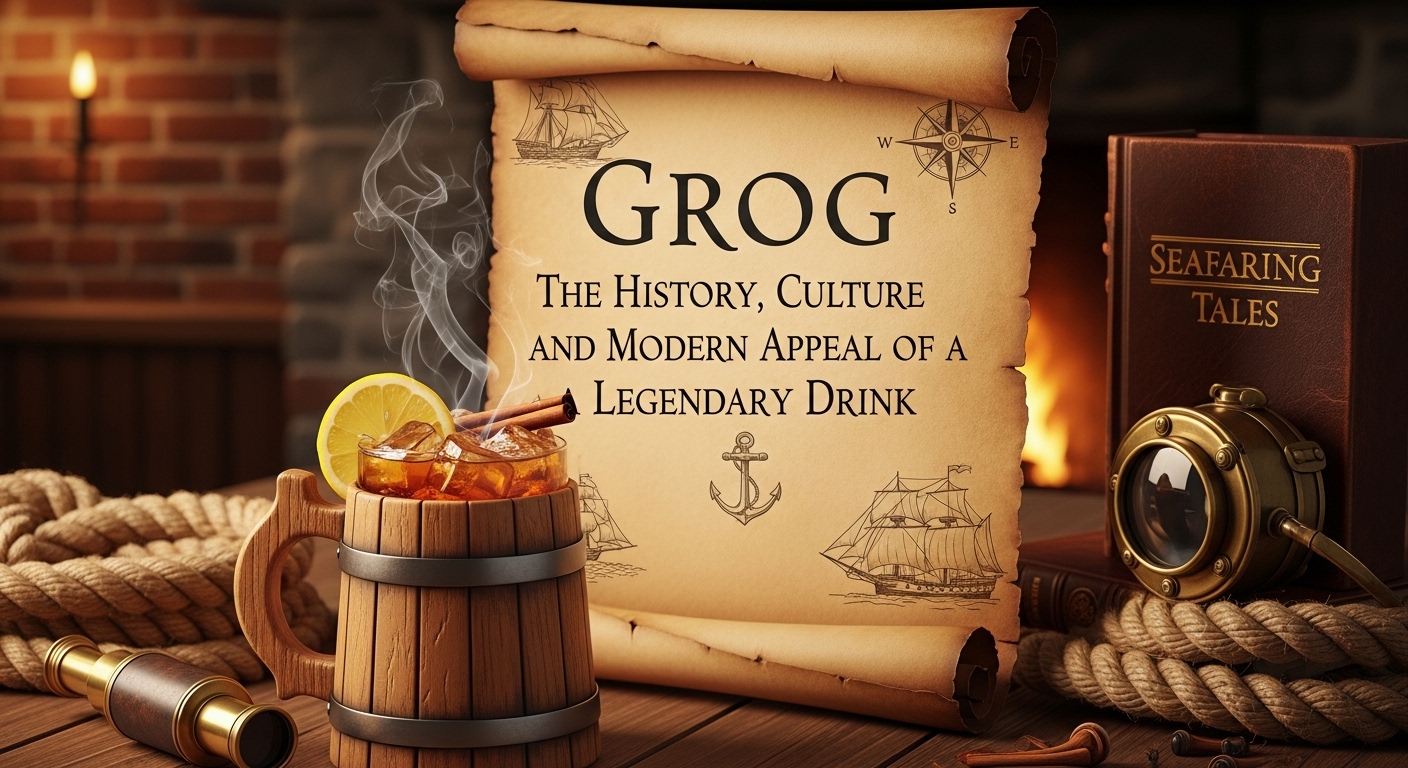
Grog is a drink with a fascinating story that stretches across centuries, cultures, and oceans. Originally created for sailors, this simple mixture of spirits and water gradually became part of maritime tradition and social culture in many parts of the world. Over time, grog evolved into several variations, reflecting local tastes and ingredients while maintaining its distinctive identity. Today, the word grog can refer to different drinks depending on the region, but its historical roots remain deeply connected to seafaring life. Understanding grog means exploring history, culture, and the transformation of a humble beverage into a lasting symbol of tradition and resilience.
The Historical Origins of Grog
The origins of grog can be traced back to the eighteenth century within the British Royal Navy. At that time, sailors were commonly given daily rations of rum, which sometimes led to discipline problems due to excessive drinking. To manage this issue, Admiral Edward Vernon ordered the rum to be diluted with water, creating the drink that became known as grog. The name reportedly came from Vernon’s nickname, Old Grog, inspired by the grogram cloak he wore. This diluted rum mixture helped control alcohol consumption while still providing sailors with their daily ration, marking the beginning of grog as a recognizable naval beverage.
Why Sailors Relied on Grog at Sea
Life at sea in earlier centuries was physically demanding and often dangerous, making daily routines important for maintaining morale and health. Grog served several practical purposes aboard ships. Diluting rum with water helped stretch limited supplies and encouraged sailors to stay hydrated during long voyages. In many cases, citrus juice was added to the mixture, providing vitamin C that helped prevent scurvy, a common disease among sailors. Because of these benefits, grog became more than just a drink; it was part of naval discipline and survival. Over time, the daily distribution of grog became a ritual that symbolized camaraderie among crew members.
The Cultural Influence of Grog in Maritime Traditions
As naval traditions spread through exploration and trade, grog became closely associated with maritime culture. The drink was often consumed during naval ceremonies, shipboard gatherings, and special occasions. Sailors carried stories of grog with them when they returned home, helping to popularize the beverage beyond naval communities. In many coastal regions, grog became a symbol of seafaring identity and resilience. The cultural significance of grog can still be seen today in naval heritage events and maritime museums. These traditions reflect how a practical solution for managing alcohol aboard ships evolved into a meaningful cultural symbol.
Regional Variations of Grog Around the World
Although the original grog was simply rum mixed with water, the drink gradually evolved into different versions depending on local preferences and ingredients. In some Caribbean regions, includes spices such as cinnamon, cloves, or nutmeg to enhance flavor. Parts of Europe, is served warm with lemon and sugar, creating a comforting beverage during colder months. In Australia and New Zealand, the term sometimes refers broadly to alcoholic drinks in general. These regional interpretations show how the concept of adapted to cultural tastes while preserving its historical connection to seafaring life.
Ingredients That Define Traditional Grog
The traditional preparation of grog focuses on simplicity and practicality. The most essential ingredient is rum, which was widely available in naval trade routes. Water is added to dilute the spirit, creating a milder drink that can be consumed responsibly over time. Additional ingredients often include citrus juice, particularly lime or lemon, which adds flavor and nutritional value. Sugar or honey may be included to soften the sharpness of the rum. While modern variations may introduce spices or other flavorings, the essence of remains a straightforward blend designed for balance and refreshment.
Grog and Its Role in Naval Discipline
The introduction of grog in naval life was not only about flavor or hydration; it also played an important role in maintaining order among sailors. By diluting rum with water, naval officers could reduce the risk of intoxication while still honoring the tradition of providing daily rations. The mixture was often distributed at a specific time of day, creating structure within the ship’s routine. This controlled approach helped maintain discipline while reinforcing a sense of fairness among the crew. The practice of serving continued in the British Royal Navy for more than two centuries before eventually being discontinued in the twentieth century.
Modern Interpretations of Grog
Today, grog is enjoyed in many different forms, especially in bars and restaurants that celebrate historical or tropical beverages. Some modern recipes transform into a warm cocktail featuring rum, citrus, honey, and aromatic spices. Others maintain the simplicity of the traditional version but adjust the proportions to suit contemporary tastes. In certain cultures, is also associated with festive gatherings or seasonal celebrations. These modern interpretations demonstrate how a drink originally designed for practicality has evolved into a versatile beverage that continues to inspire creativity in culinary and cocktail traditions.
The Symbolism of Grog in Literature and Popular Culture
Grog has also found a place in literature, storytelling, and popular culture, particularly in tales about pirates, explorers, and naval adventures. Writers often use as a symbol of rugged seafaring life, representing both hardship and camaraderie. In fictional stories, characters frequently gather over mugs of while sharing experiences from long journeys across the sea. These portrayals reinforce the drink’s association with maritime heritage and adventure. Through books, films, and historical narratives, continues to capture the imagination of audiences who are fascinated by the romance and challenges of life at sea.
How Grog Reflects the Evolution of Drinking Traditions
The story of grog illustrates how drinking traditions evolve in response to practical needs, cultural exchange, and changing social attitudes. What began as a naval policy to control alcohol consumption gradually became a widely recognized beverage with multiple interpretations. The spread of global trade routes allowed ingredients and ideas to mix, influencing the development of regional variations. Today, represents both history and adaptation, showing how simple practices can gain cultural significance over time. By studying , we gain insight into how food and drink traditions develop alongside human exploration and social change.
Conclusion
Grog remains one of the most intriguing drinks in maritime history. Its journey from a practical naval ration to a culturally recognized beverage highlights the power of tradition and adaptation. While the original mixture of rum and water was created to solve a problem aboard ships, it eventually became part of global drinking culture. Today, is remembered not only for its flavor but also for its historical significance and symbolic connection to seafaring life. The enduring legacy of demonstrates how even the simplest beverages can carry rich stories that span centuries and continents.