

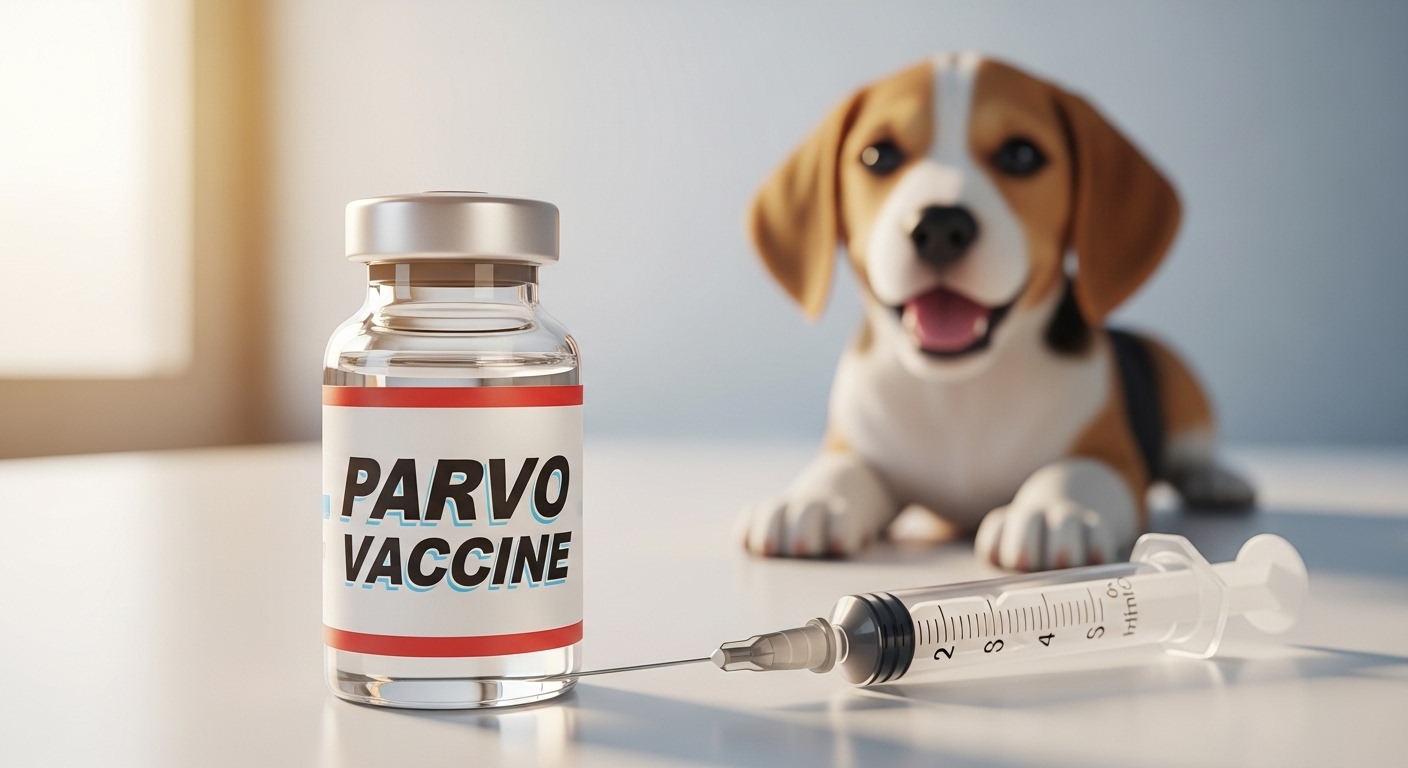
Protecting a dog’s health begins with preventive care, and the parvo vaccine plays a critical role in that process. Canine parvovirus is a highly contagious and potentially fatal disease that mainly affects puppies and unvaccinated dogs. The virus attacks the gastrointestinal system, causing severe vomiting, diarrhea, and dehydration. Without timely treatment, it can lead to life-threatening complications. Fortunately, vaccination offers reliable protection and significantly reduces the risk of infection. Understanding how the parvo vaccine works, when it should be administered, and why it is essential can help pet owners make informed decisions to safeguard their dogs’ long-term health.
Understanding Canine Parvovirus
Canine parvovirus is a viral infection that spreads through direct contact with infected dogs or contaminated environments. The virus is extremely resilient and can survive on surfaces such as soil, food bowls, and clothing for extended periods. Puppies between six weeks and six months of age are particularly vulnerable due to their developing immune systems. Symptoms often appear suddenly and may include lethargy, loss of appetite, fever, and severe gastrointestinal distress. Because the disease progresses quickly, immediate veterinary care is crucial. The parvo vaccine is the most effective method of preventing this dangerous and highly contagious illness.
How the Parvo Vaccine Works
The parvo vaccine stimulates a dog’s immune system to recognize and fight the virus before it can cause serious harm. It contains a modified or inactivated form of the virus that cannot cause the disease but triggers an immune response. Once vaccinated, the dog’s body produces antibodies that provide protection against future exposure. If the dog encounters the actual virus, the immune system can respond rapidly and effectively. This preventive approach reduces the severity of illness and significantly lowers mortality rates. By building immunity early, the parvo vaccine offers long-lasting defense against a potentially life-threatening infection.
Recommended Vaccination Schedule
A proper vaccination schedule is essential to ensure maximum protection against parvovirus. Puppies typically receive their first parvo vaccine dose at around six to eight weeks of age. Additional booster shots are given every few weeks until they reach approximately sixteen weeks. These boosters help strengthen immunity as maternal antibodies gradually decrease. Adult dogs also require periodic booster vaccinations to maintain protection throughout their lives. Veterinarians may adjust schedules based on a dog’s health status, lifestyle, and regional risk factors. Following the recommended vaccination plan ensures that dogs remain protected during their most vulnerable stages.
Benefits of Early Vaccination
Administering the parvo vaccine early in a puppy’s life provides critical benefits. Young dogs are at the highest risk of contracting parvovirus, particularly if they are exposed to public spaces or other animals. Early vaccination reduces the likelihood of severe infection and costly emergency treatment. It also contributes to overall community health by lowering the spread of the virus among dogs. Puppies that receive timely vaccinations are more likely to grow into healthy adult dogs with strong immune systems. Preventive care through early immunization demonstrates responsible pet ownership and supports long-term canine wellbeing.
Safety and Possible Side Effects
The parvo vaccine is widely considered safe and effective, with most dogs experiencing no serious side effects. Mild reactions such as temporary soreness at the injection site, slight fever, or reduced appetite may occur but typically resolve quickly. Severe allergic reactions are rare but require immediate veterinary attention. Veterinarians assess each dog’s health history before administering the vaccine to minimize potential risks. Monitoring a dog after vaccination helps ensure any unusual symptoms are addressed promptly. Overall, the protective benefits of the parvo vaccine far outweigh the minimal risks associated with routine immunization.
Preventing Parvovirus Beyond Vaccination
While the parvo vaccine provides strong protection, additional preventive measures further reduce infection risk. Maintaining proper hygiene, disinfecting living areas, and avoiding contact with unvaccinated dogs are important practices. Puppies should not visit public dog parks or crowded areas until their vaccination series is complete. Regular veterinary checkups support overall health and help detect potential concerns early. Combining vaccination with responsible care creates a comprehensive defense strategy against parvovirus. Pet owners who remain vigilant about both immunization and cleanliness significantly lower the chances of their dogs encountering this dangerous virus.
The Importance of Booster Shots
Booster shots are essential to maintaining effective immunity against parvovirus. Over time, antibody levels can decrease, reducing protection if boosters are not administered as recommended. Adult dogs usually receive booster doses annually or according to veterinary guidance. Consistent booster vaccinations help ensure that immunity remains strong throughout a dog’s life. Skipping boosters may leave dogs vulnerable, especially in areas where parvovirus outbreaks occur. By adhering to the full vaccination schedule, pet owners provide continuous protection and contribute to controlling the spread of infection within the broader canine community.
Cost Considerations and Long-Term Savings
The cost of the parvo vaccine is generally affordable compared to the expense of treating a parvovirus infection. Treatment often involves hospitalization, intravenous fluids, medications, and intensive supportive care, which can be financially burdensome. Vaccination represents a cost-effective preventive measure that reduces the likelihood of emergency veterinary bills. Investing in routine immunization not only protects a dog’s health but also provides peace of mind for owners. Long-term savings and improved quality of life make the parvo vaccine a practical and responsible choice for maintaining canine health and preventing avoidable suffering.
Strengthening Community Health Through Vaccination
Widespread use of the parvo vaccine contributes to stronger community health among dogs. When a high percentage of dogs are vaccinated, the overall transmission of the virus decreases significantly. This concept of collective protection helps safeguard puppies, elderly dogs, and those with weakened immune systems. Responsible vaccination practices create safer environments in neighborhoods, boarding facilities, and veterinary clinics. By ensuring their pets receive the parvo vaccine on schedule, owners play an important role in controlling outbreaks and promoting healthier canine populations. Community-wide prevention efforts depend on consistent and informed participation.
Conclusion
The parvo vaccine remains one of the most important tools in protecting dogs from a highly contagious and potentially fatal disease. Through timely vaccination, booster adherence, and responsible preventive care, pet owners can dramatically reduce the risk of parvovirus infection. The vaccine offers safe, effective, and affordable protection that benefits individual dogs and the broader community. By prioritizing immunization and maintaining good hygiene practices, owners ensure their pets enjoy healthier, longer lives free from the serious threats posed by canine parvovirus.